Disaster Management Centre · Sri Lanka
El Niño preparedness for Sri Lanka
What El Niño is, how it changes Sri Lanka's rain and seasons, what it means for the Maha season now under way, and the record of every national preparedness meeting.
01
What is El Niño?
El Niño is the warm phase of the El Niño–Southern Oscillation (ENSO), a natural climate cycle in the tropical Pacific Ocean. Every two to seven years, the trade winds that usually push warm surface water towards Asia weaken, and that warm water spreads east across the Pacific. The shift in ocean heat moves rainfall patterns around the world, including over the Indian Ocean and Sri Lanka.
- 2–7 yrs
- Typical gap between El Niño events
- 9–12 mo
- Usual length of an event
- +0.5 °C
- Sea-surface warming in the central Pacific (Niño 3.4) that marks El Niño conditions
Normal years
Strong easterly trade winds pile warm water in the western Pacific. Cool, deep water rises along South America.
El Niño years
Trade winds weaken or reverse. Warm water and the heavy rain that follows it move east, disturbing monsoon circulation across Asia.
Not every event is the same
Strength, timing and the state of the Indian Ocean Dipole (IOD) all change how an El Niño plays out in Sri Lanka.
02
How El Niño affects Sri Lanka
Sri Lanka's rain comes in four seasons. In El Niño years the October–December rains are usually heavier than normal, while most of the rest of the year tends to be drier. The calendar shows the historical pattern.
- Wetter than normal
- Drier than normal
- Slightly drier (weaker link)
Northeast monsoon
December is often wetter than normal; January–February tend to be drier.
First inter-monsoon
Rainfall and convective showers are often below normal, with higher temperatures.
Southwest monsoon
Tendency for below-normal rain in the wet zone; the link is weaker than in other seasons.
Second inter-monsoon
The strongest signal: rainfall is often above normal, raising flood and landslide risk.
What that means on the ground
Floods and landslides
Heavier October–December rain can flood low-lying areas in the east and north and trigger landslides in the central hills.
Drought and heat
Drier spells from January onwards and higher temperatures stress water supplies, crops and people, especially in the dry zone.
Agriculture and food
Paddy and other field crops face both waterlogging early in Maha and water shortage at grain filling if rains end early.
Water and hydropower
Reservoir levels decide Yala cultivation and power generation. Storing Maha inflows carefully protects the following season.
Health
Stagnant water after heavy rain increases dengue breeding, while heat and poor water quality add further health risks.
03 · Now
This season: Maha 2026/27
Maha is Sri Lanka's main cultivation season, fed by the second inter-monsoon and northeast monsoon rains. Most of the country's paddy is grown now, and reservoirs filled during Maha carry the dry zone through Yala. El Niño tends to load the front of the season with rain and leave the back of it dry.
- 1Sep – Oct
Land preparation and sowing
Intense early rain can delay sowing or wash out newly sown fields.
- 2Oct – Dec
Vegetative growth
Above-normal rain: floods, landslides, waterlogging and pest outbreaks. Watch Bay of Bengal depressions and cyclones.
- 3Jan – Feb
Flowering and grain filling
Rains may end early. Late-planted paddy can run short of water at its most sensitive stage.
- 4Feb – Mar
Harvest and reservoir hand-over
Heat and dry weather. Reservoir storage decides how much can be planted in Yala 2027.
Preparedness actions for Maha
- Follow the Department of Meteorology seasonal and weekly forecasts before sowing.
- Sow on time and prefer short-duration paddy varieties where water is uncertain.
- Clear drains, canals and culverts before October; keep evacuation plans ready in flood- and landslide-prone divisions.
- Agree reservoir operation plans that save October–December inflows for the dry months.
- Remove standing water around homes and schools to limit dengue after heavy rain.
Based on historical El Niño patterns. Each event differs; always check the latest forecasts from the Department of Meteorology.
04
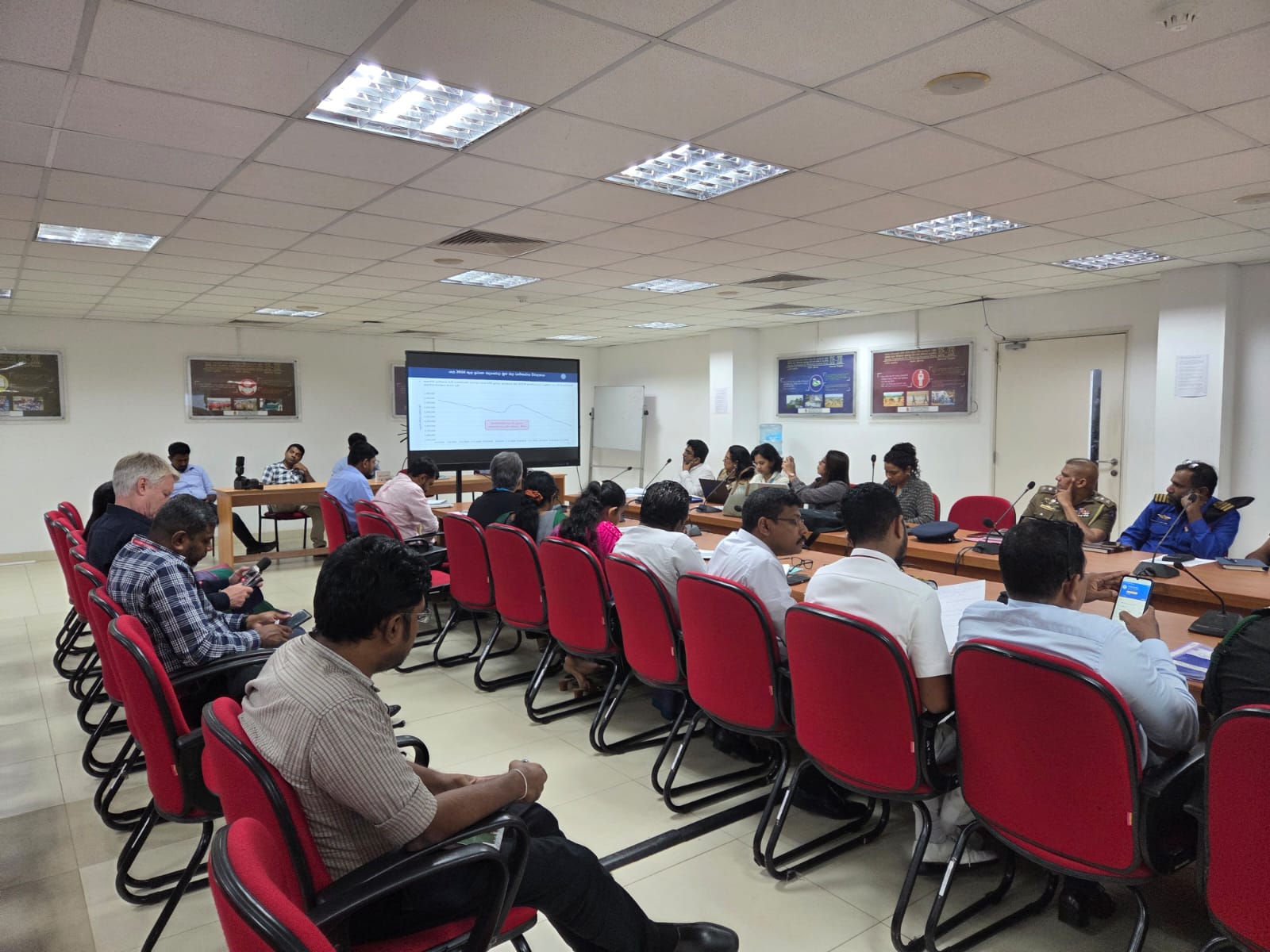
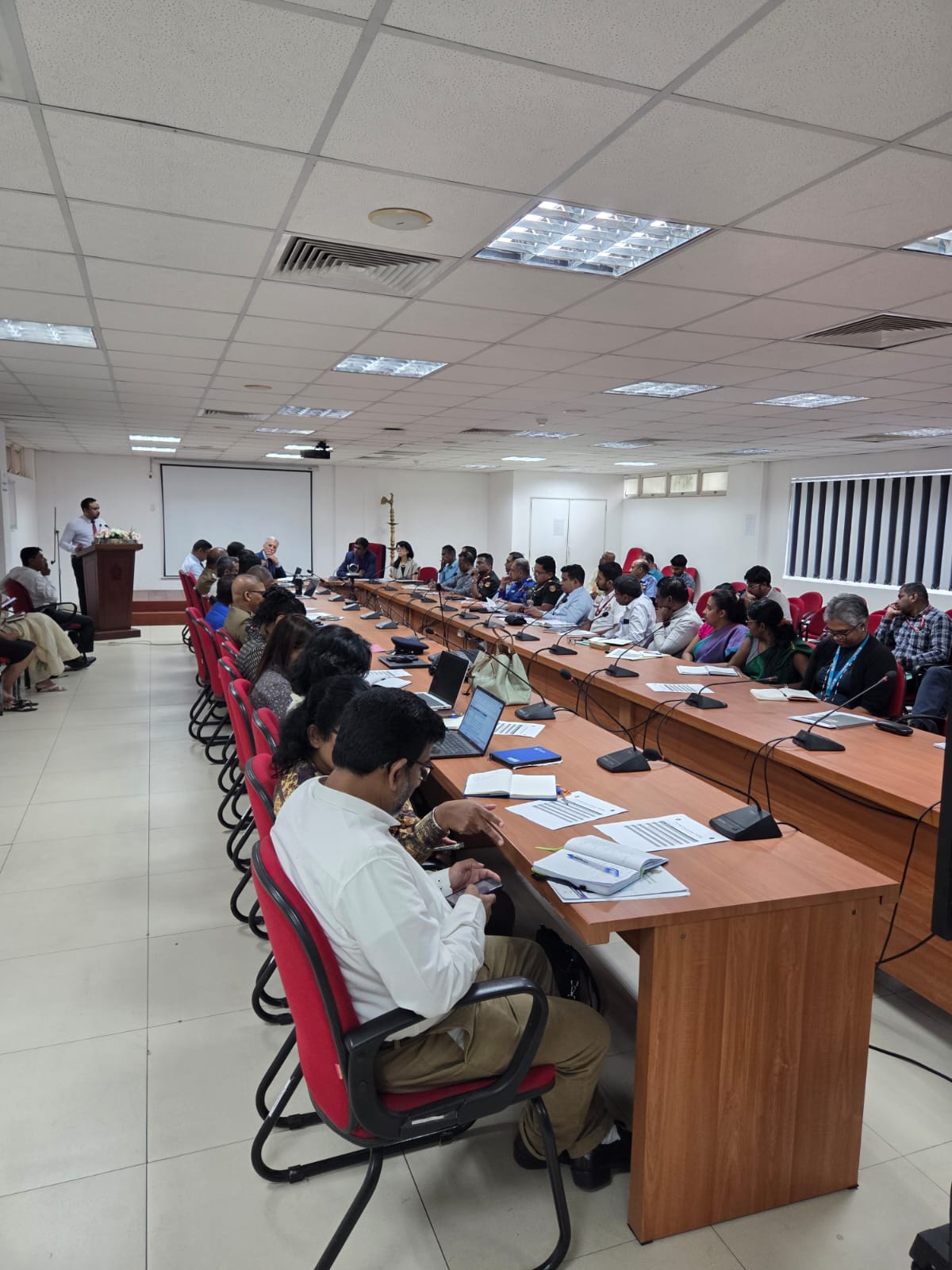
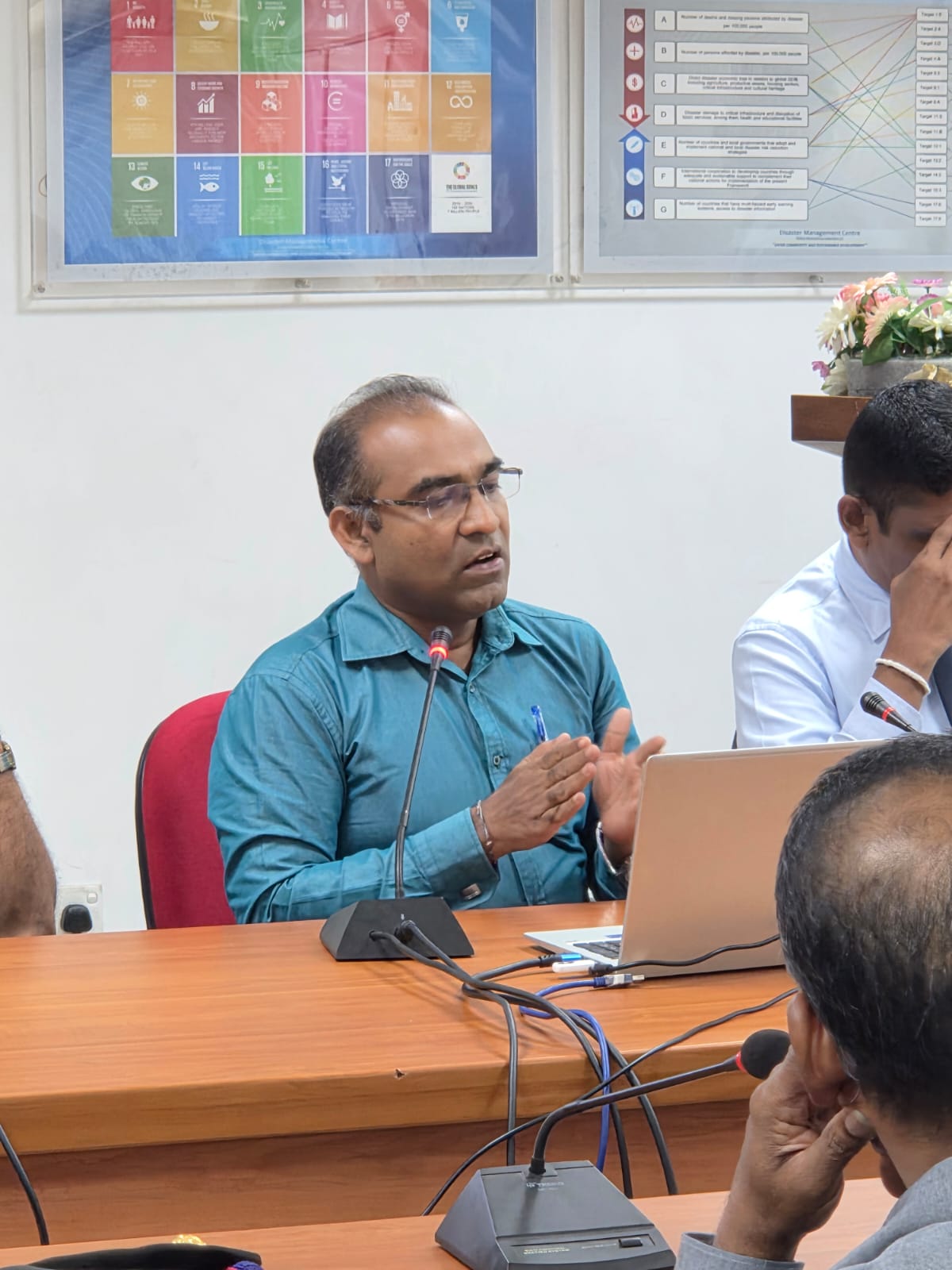
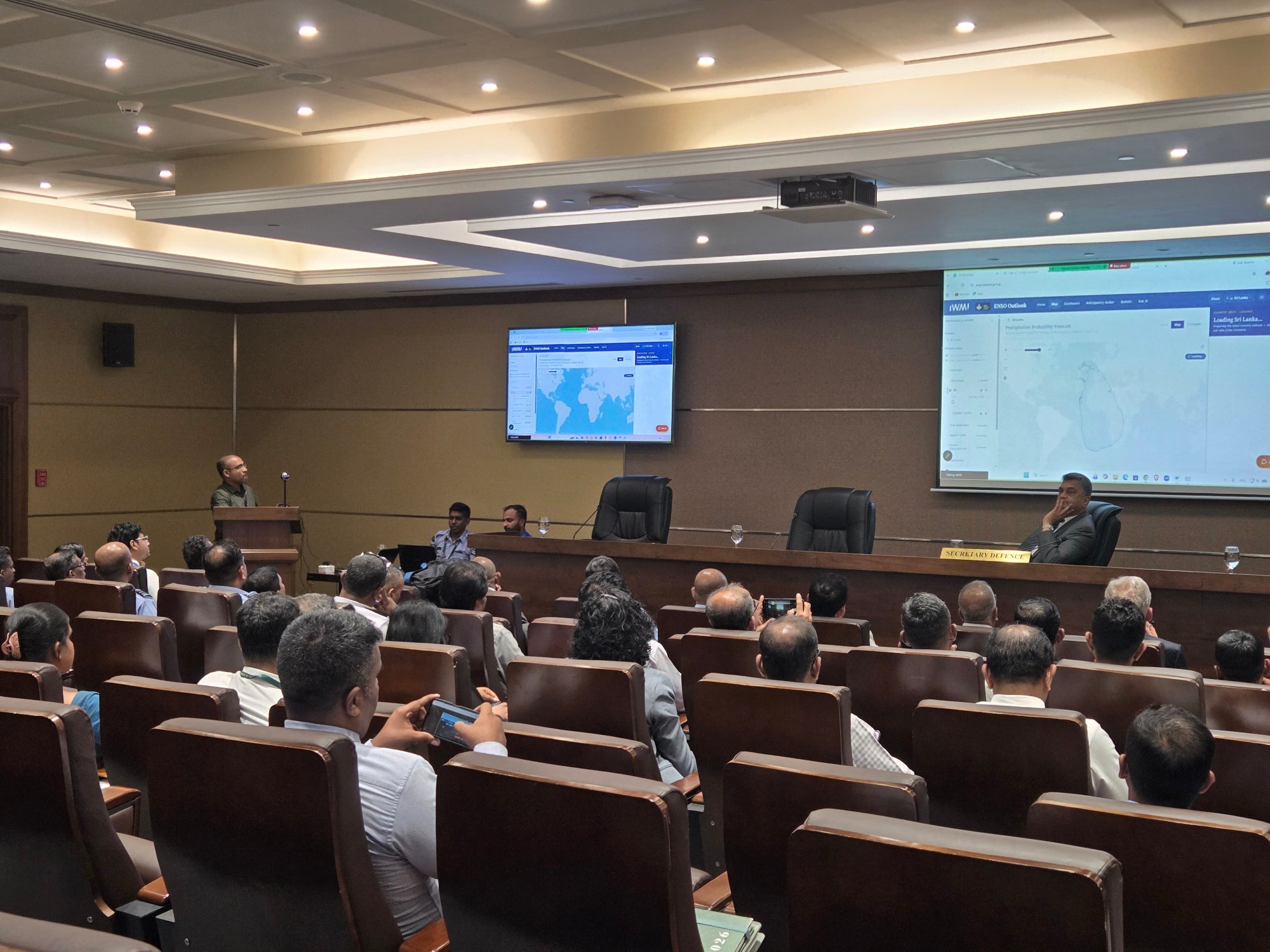
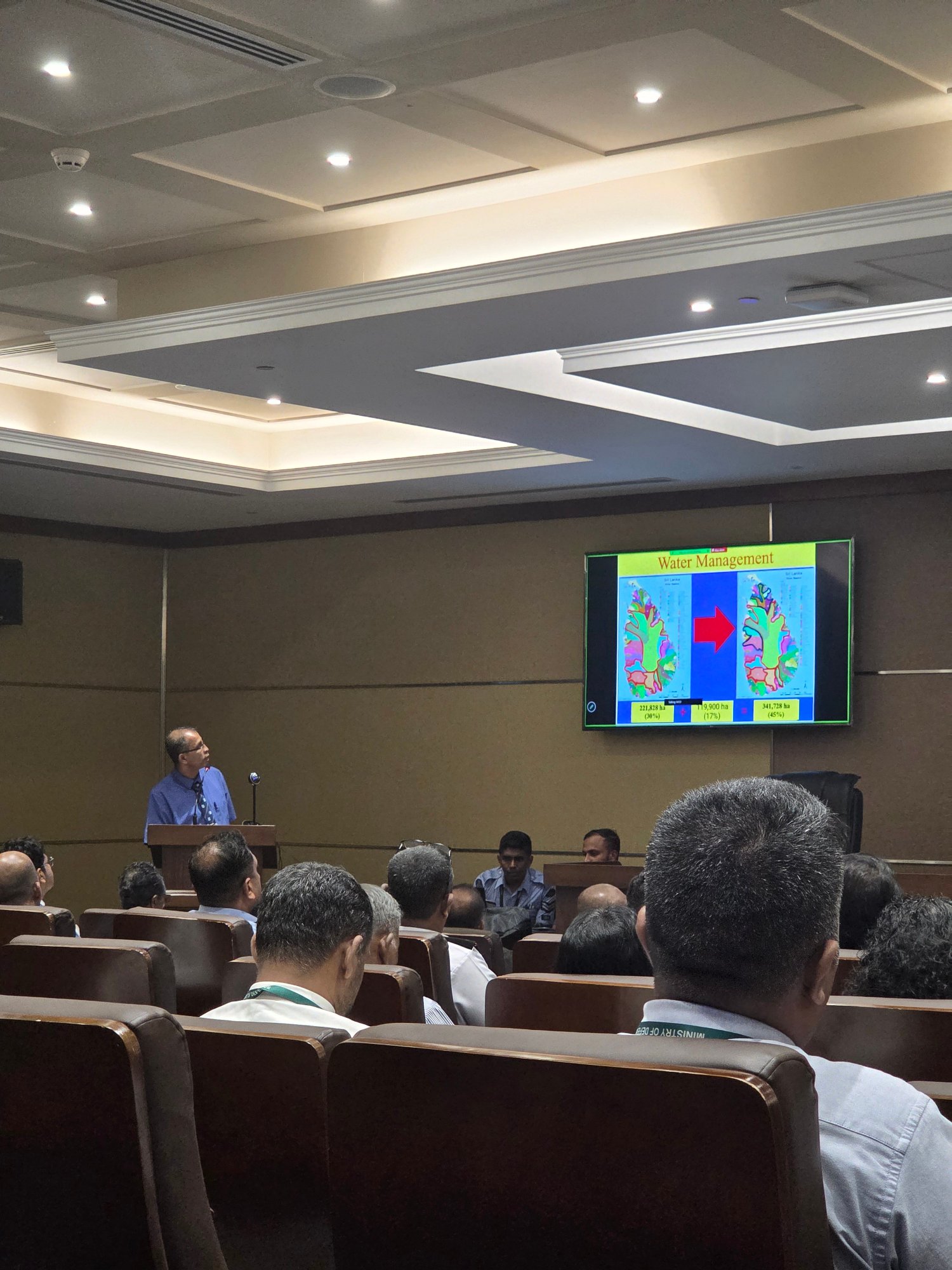
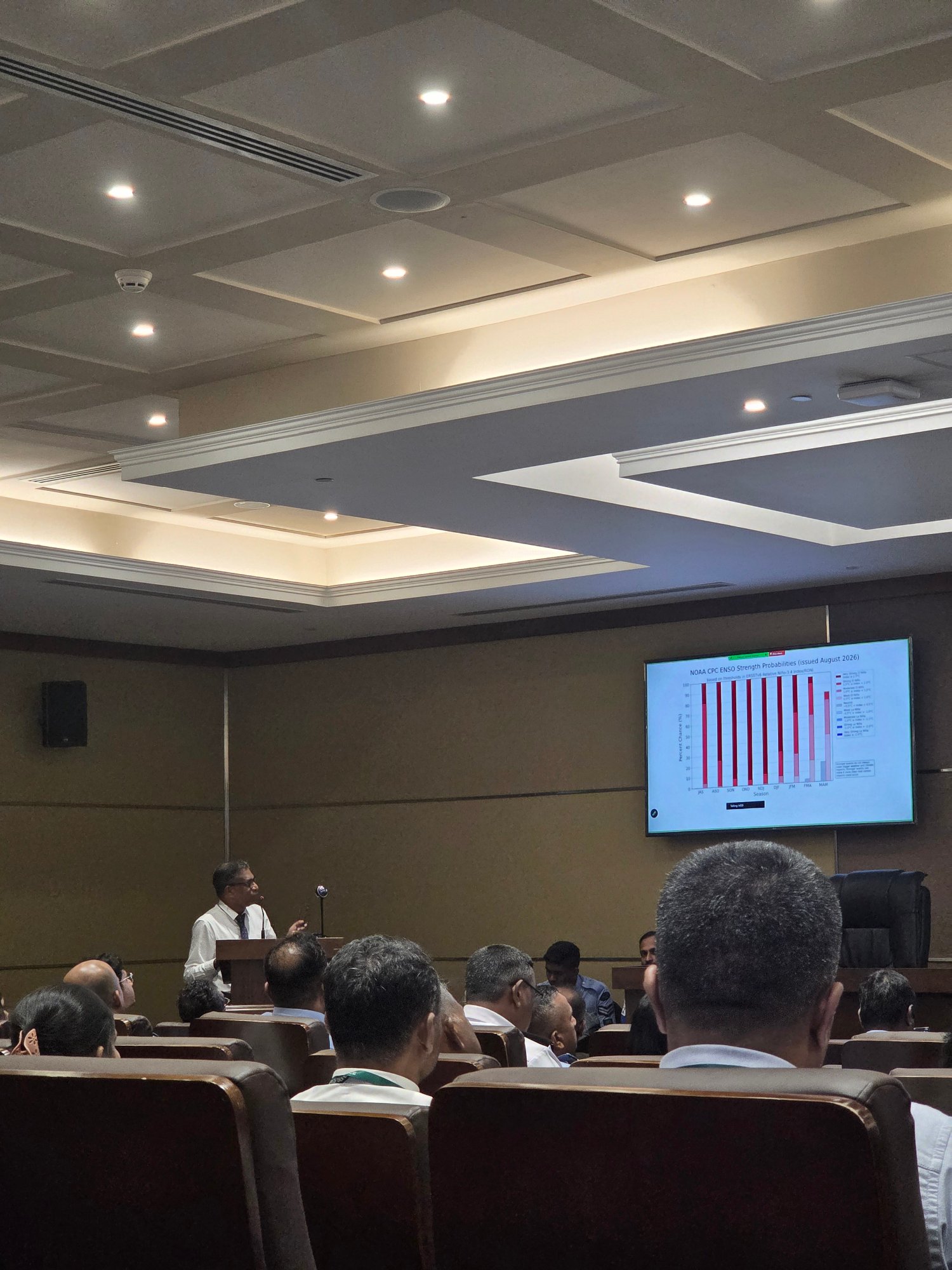
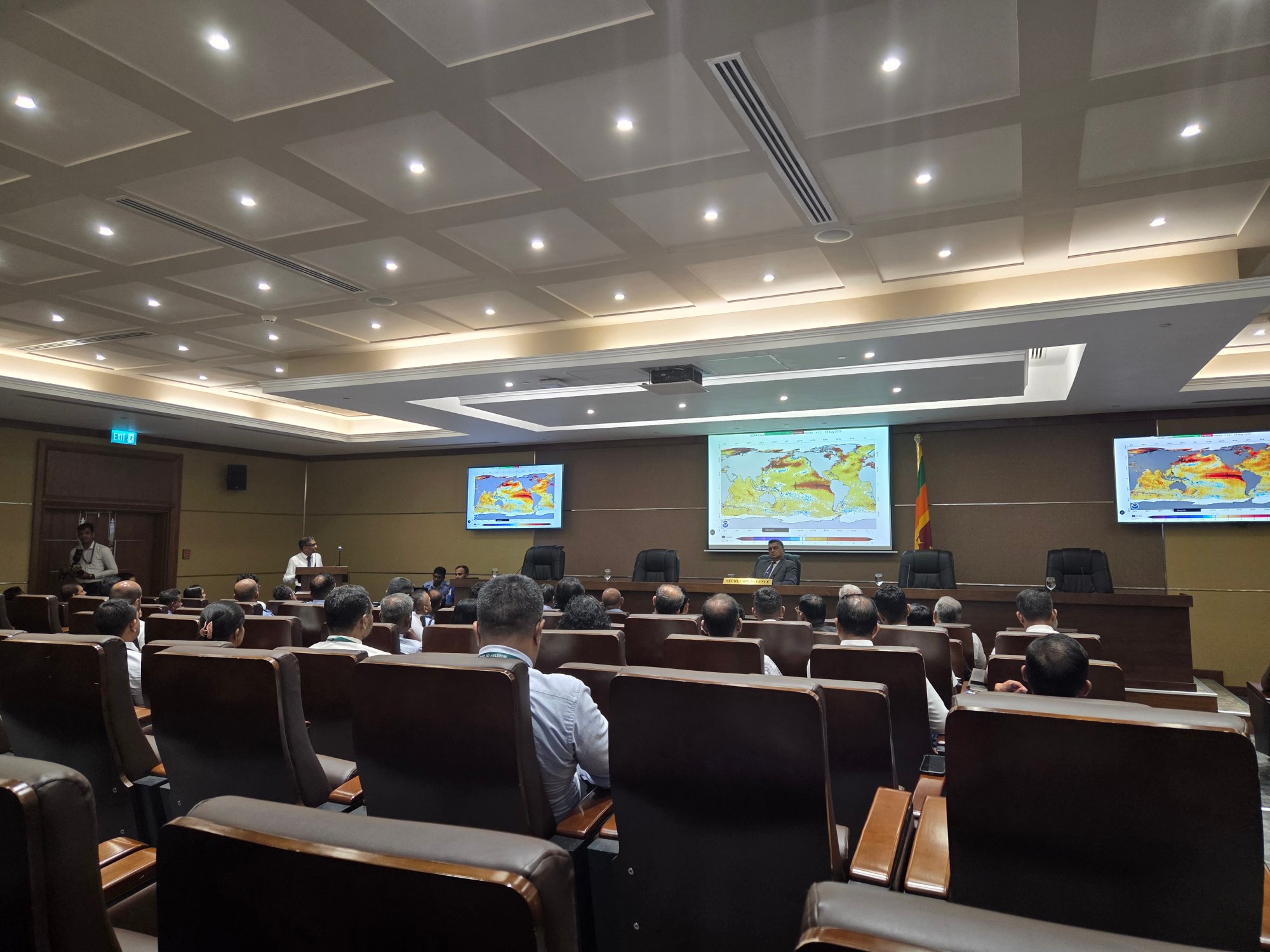
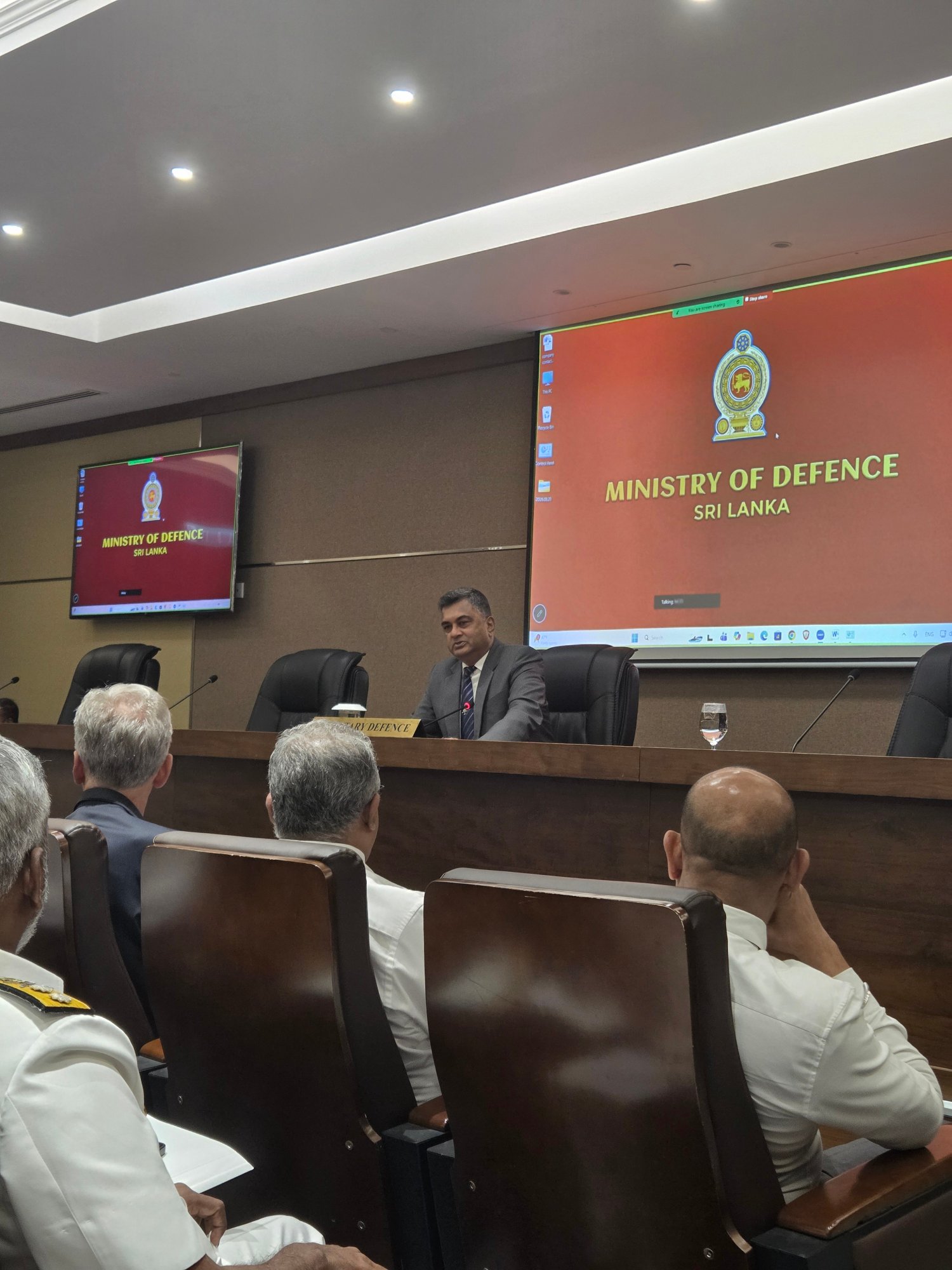
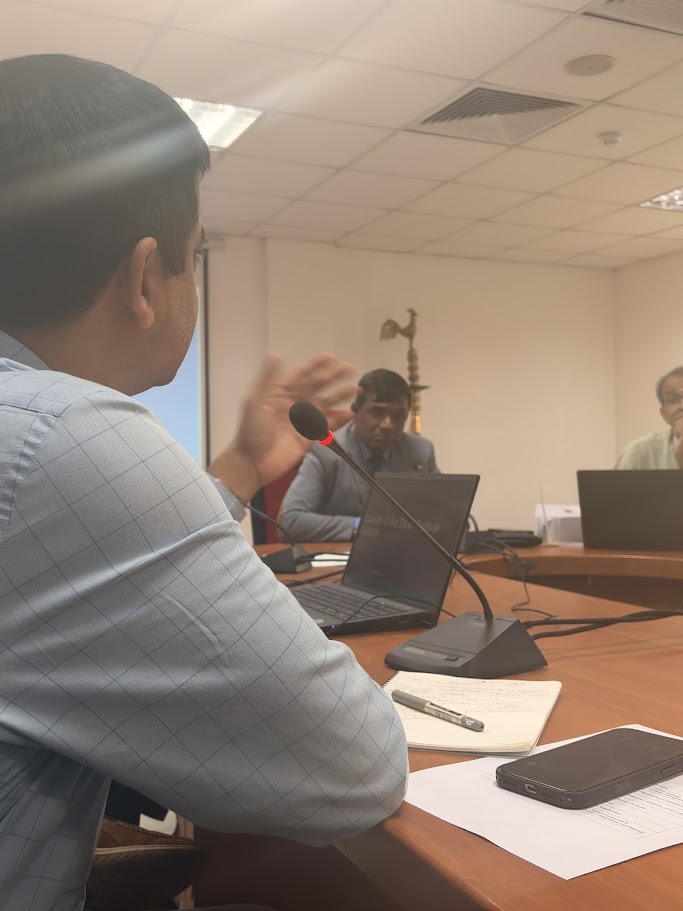
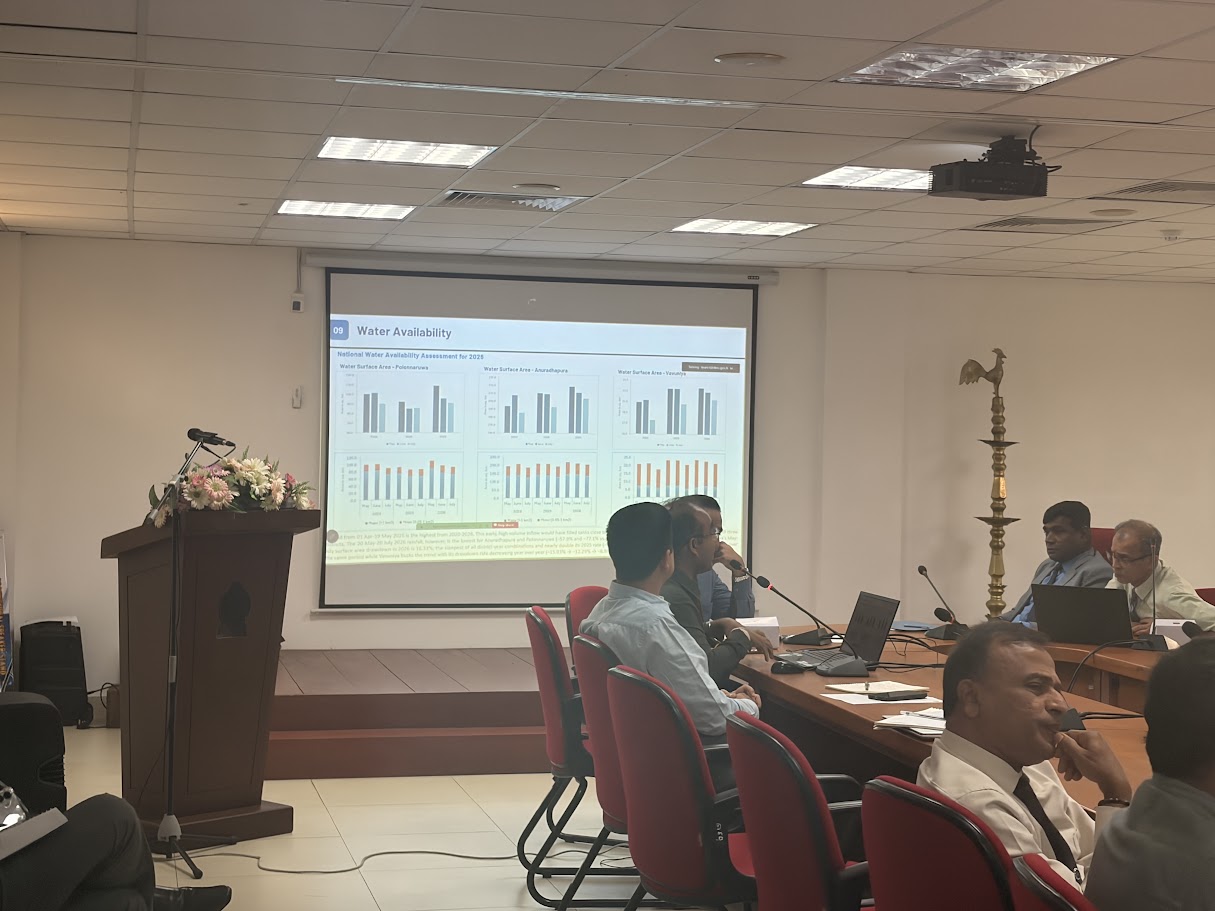
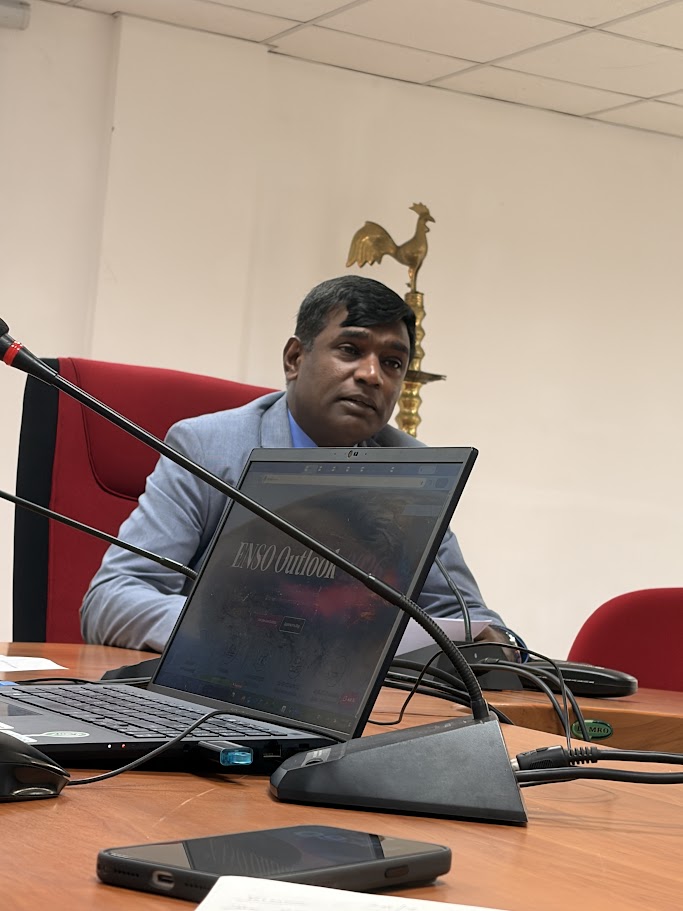
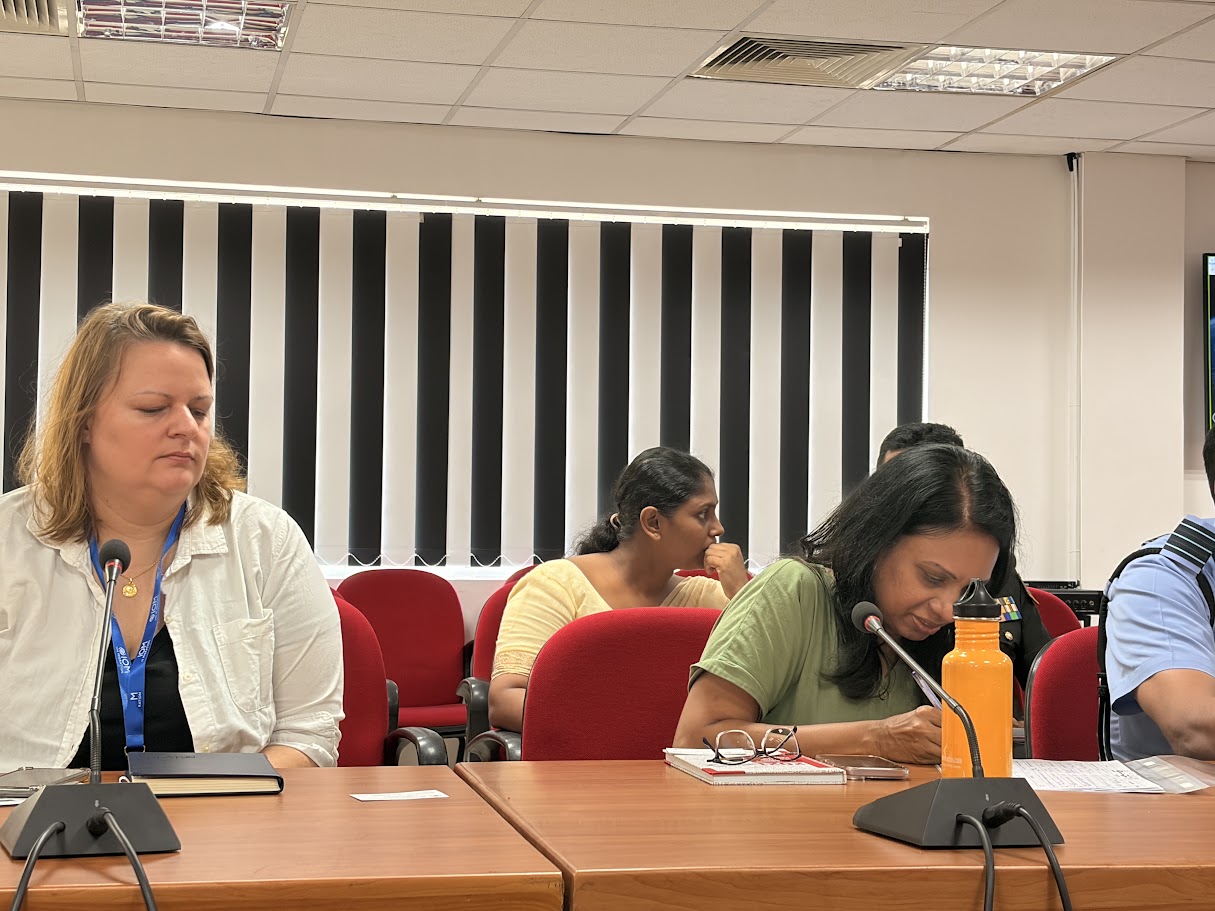
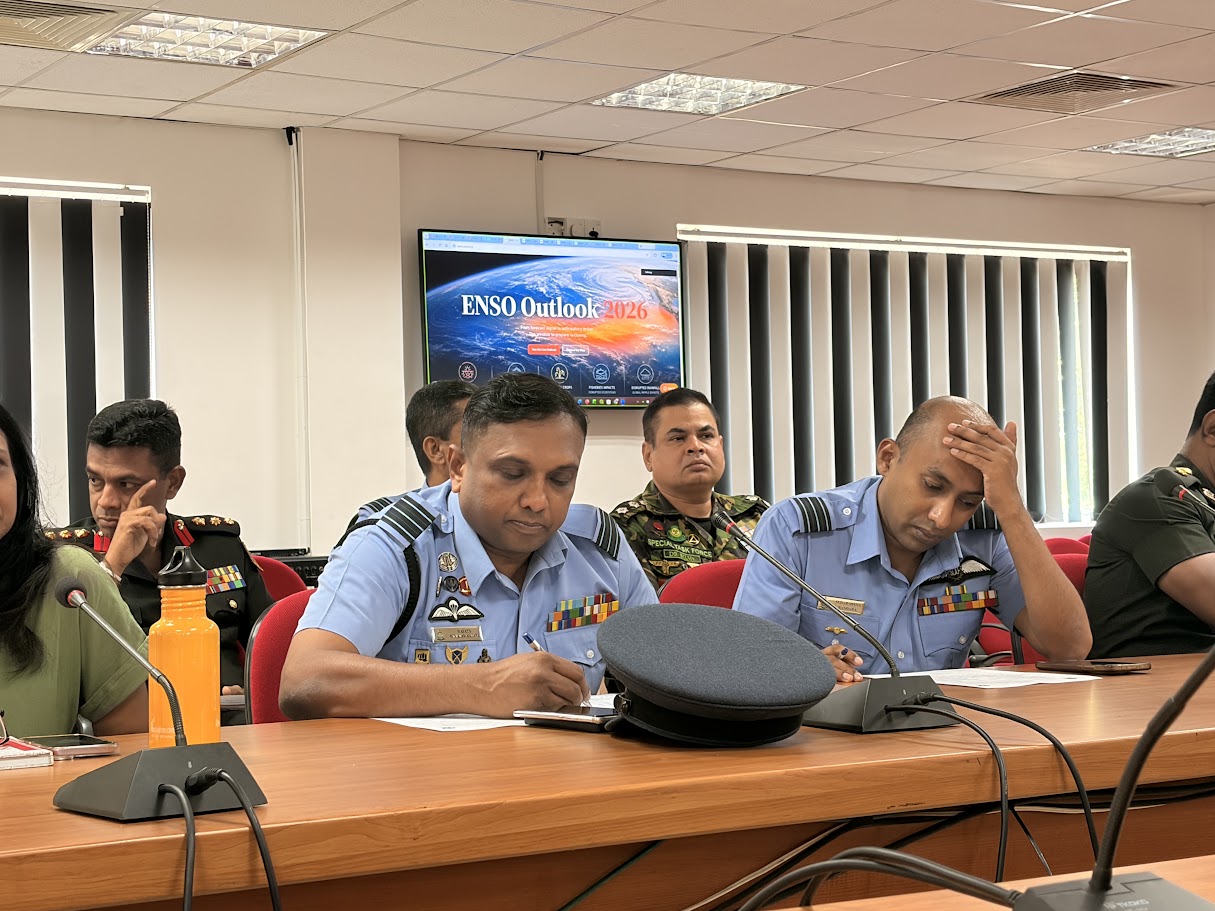
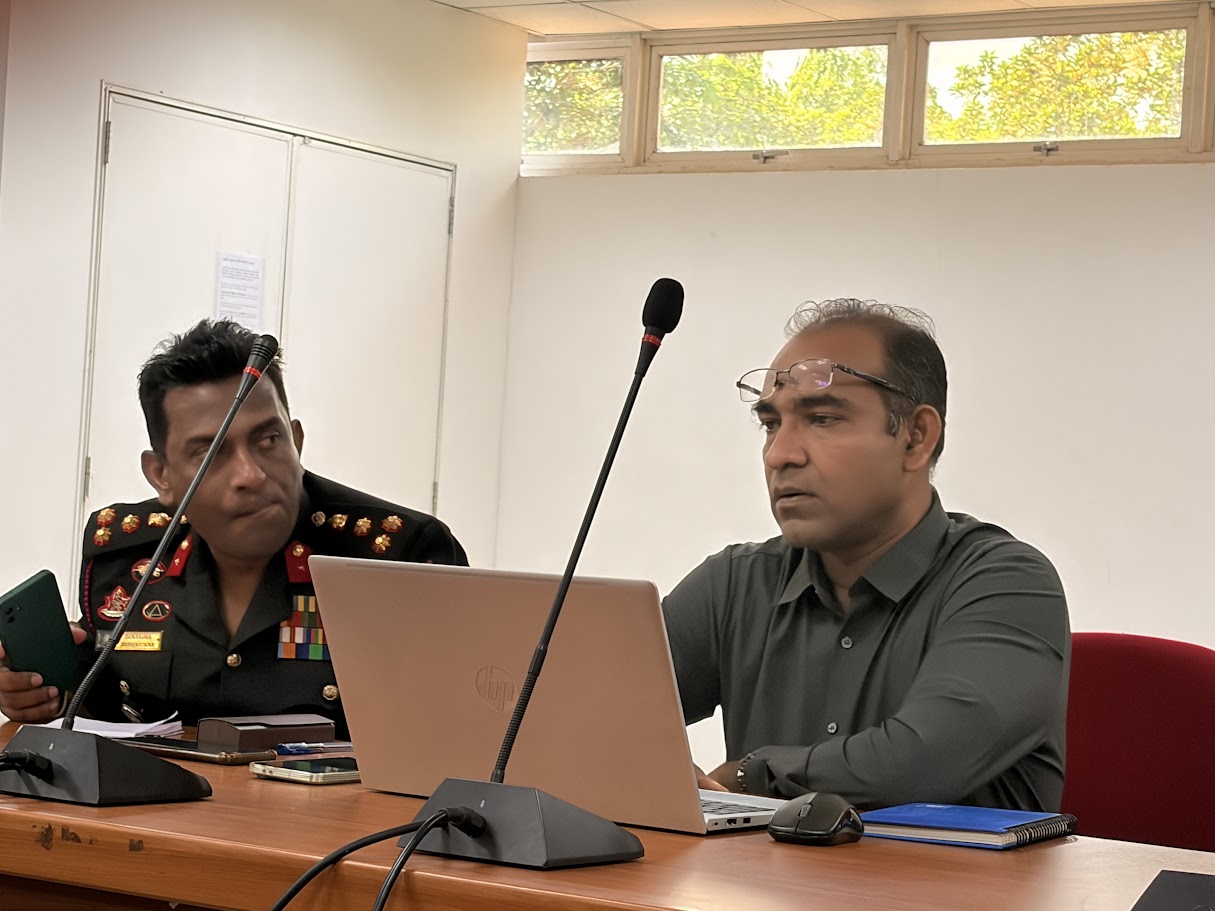
El Niño preparedness meetings
All documentsRecordings, minutes and presentations from the national coordination meetings convened by DMC with partner agencies.
05